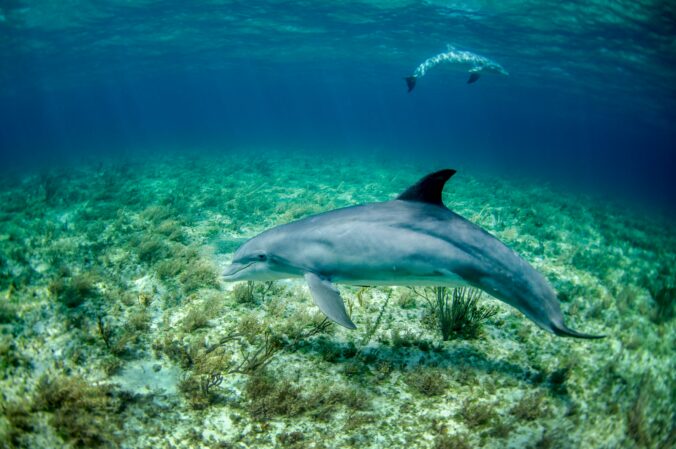
Over the summer, I interned with the Sarasota Dolphin Research Program. This was a lovely experience and I learned many new skills involving boating and stewardship of wild dolphins.
I participated in the Dolphin Health Assessments throughout May. These health assessments had over 100 projects involved with many institutions around the world participating. 2024 was an especially important year due to the COVID-19 pandemic hindering the past four yearly health assessments. Many of the institutions participating were tracking the long term damage of marine mammal health from the Deep Water Horizon oil spill. We surveyed dolphins that resided inside the Sarasota Bay as well as dolphins that resided in the open waters of the Gulf of Mexico.
After health assessments were done, I got to participate in the Sarasota Dolphin Research Program’s photo identification project. We got up early in the morning to get on boats and photograph the unique dorsal fins. We would count dolphin sightings and human-dolphin interactions while we were out on the water. Once we returned to the lab, we would tally each dolphin sighting for the day and unload all the photographs to the hard drive.
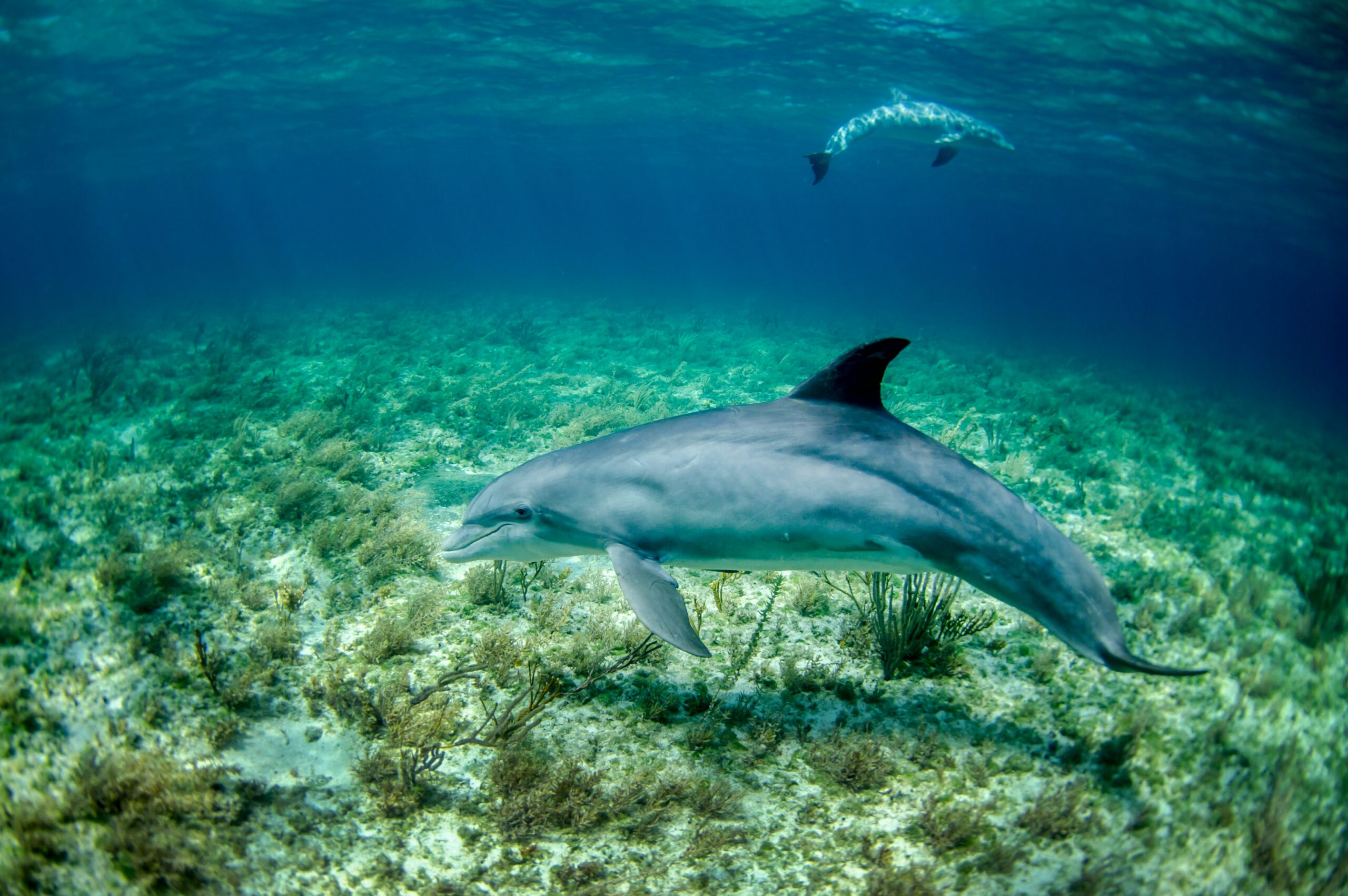
In the periods between fieldwork, we would work on identifying the fins found on photo ID trips, including wellness counts to shark bite identification.
Other activities included fishing and dolphin necropsies. Each endeavor gave us a glance into the diets and lifestyle of the Sarasota Bay dolphins. The dolphins had close family groupings who all had different ways of raising young, foraging, and mating. These behaviors were all reflected in necropsies and monthly prey assessments.
This experience was overall very educational. Most importantly, I had fun! Dolphins are one of my favorite animals and working with them in a professional setting was a dream come true.
There are still many questions within the marine ecosystem regarding animal health and marine diseases. Even with a well studied animal like the bottlenose dolphin, there are still many questions regarding health and strandings. Going forward, I hope to incorporate bottlenose dolphins within my research through graduate school and beyond.
